

The rapid advancement of quantum computing capabilities poses a significant threat to current cryptographic standards, which rely on algorithms like AES, ECC, and RSA. While these algorithms have served us well, they are vulnerable to attack by quantum computers. Post-quantum cryptography (PQC) algorithms are designed to be resistant to quantum attacks. However, there is no standard framework for evaluating the cryptographic claims of PQC algorithms, which is hampering their adoption by the industry.
To address this challenge, DSCI in collaboration with the best cryptographers in the country, has created a framework to evaluate the cryptographic efficacy of indigenous PQC algorithms and products. This framework aims to provide user organizations with the assurance they need to adopt indigenous PQC solutions. It is designed to be effective, swift, and graded, depending on the criticality and assurance requirements.
If you have designed or developed PQC algorithms or products, you can participate in the evaluation framework by filling out the application form. We will work with you to determine the level of evaluation appropriate for your needs.
Rigorous assessment of the cryptographic efficacy of the submitted algorithms.
Assure user organizations that your algorithms are secure against quantum attacks.
Gain the confidence of being a rigorously tested algorithm at par with global standards.
Move out of the clutter and get noticed by showcasing the trust mark.
We will check the robustness of your algorithm through proactive threat modelling, and rigorous mathematical scrutiny to verify correctness and resilience against quantum computing challenges.
Application
Submit a brief writeup about your algorithm. The writeup should include:
Shortlisting
Fee Submission
Evaluation
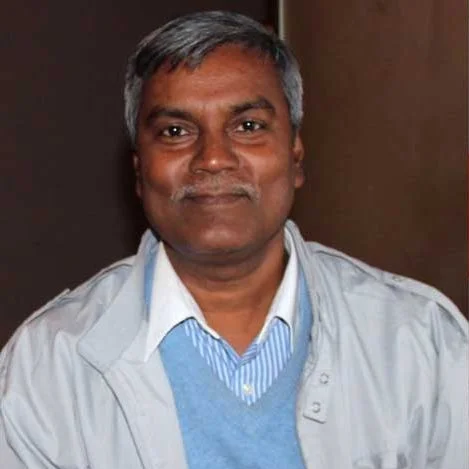
Professor, Applied Statistics Unit | ISI Kolkata
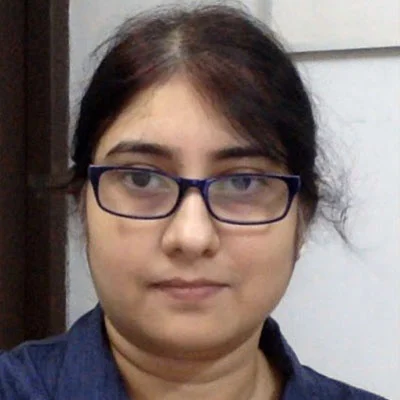
Associate Professor, IAI | TCG Crest

Assistant Professor | Indian Institute of Technology, Bhilai
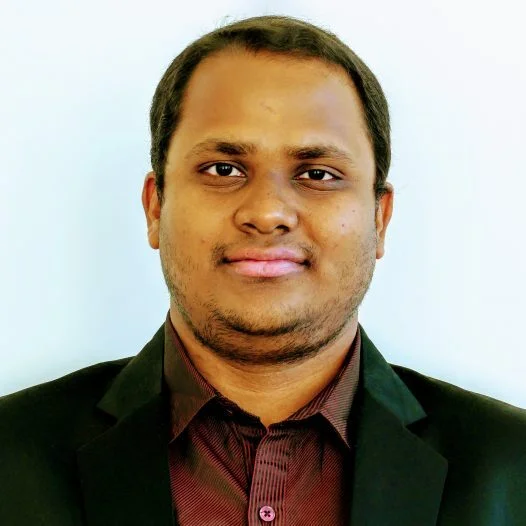
IIT-Kanpur
Operational Office – 4th Floor, NASSCOM Campus, Plot No. 7-10, Sector 126, Noida, UP -201303
In Association

