The Micro, Small and Medium Enterprises (MSME) sector has emerged as a highly vibrant and dynamic sector of the Indian economy over the last five decades. It contributes significantly in the economic and social development of the country by fostering entrepreneurship and generating largest employment opportunities at comparatively lower capital cost.
As per the National Sample Survey (NSS) 73rd round, conducted by National Sample Survey Office, Ministry of Statistics & Programme Implementation during the period 2015-16, there were 633.88 lakh unincorporated non-agriculture MSMEs in the country engaged in different economic activities
Key enablers and drivers
Increasing need for online presence for doing business in the digital age
Social media is increasingly adopted to build network and brand
Special drive of the Internet Companies like Google to bring the SME online
Productivity drive forcing them to adopt applications and solutions such as ERP, HRMS, Finance & Accounting, etc.
E-commerce boom in the country. SMEs are the key beneficiaries, as the online marketplaces enhances their business prospects. It is a key driving force behind digital transition
Adaption to Industrialization 4.0, where SMEs are seen deploying or exploiting machine learning and automation techniques

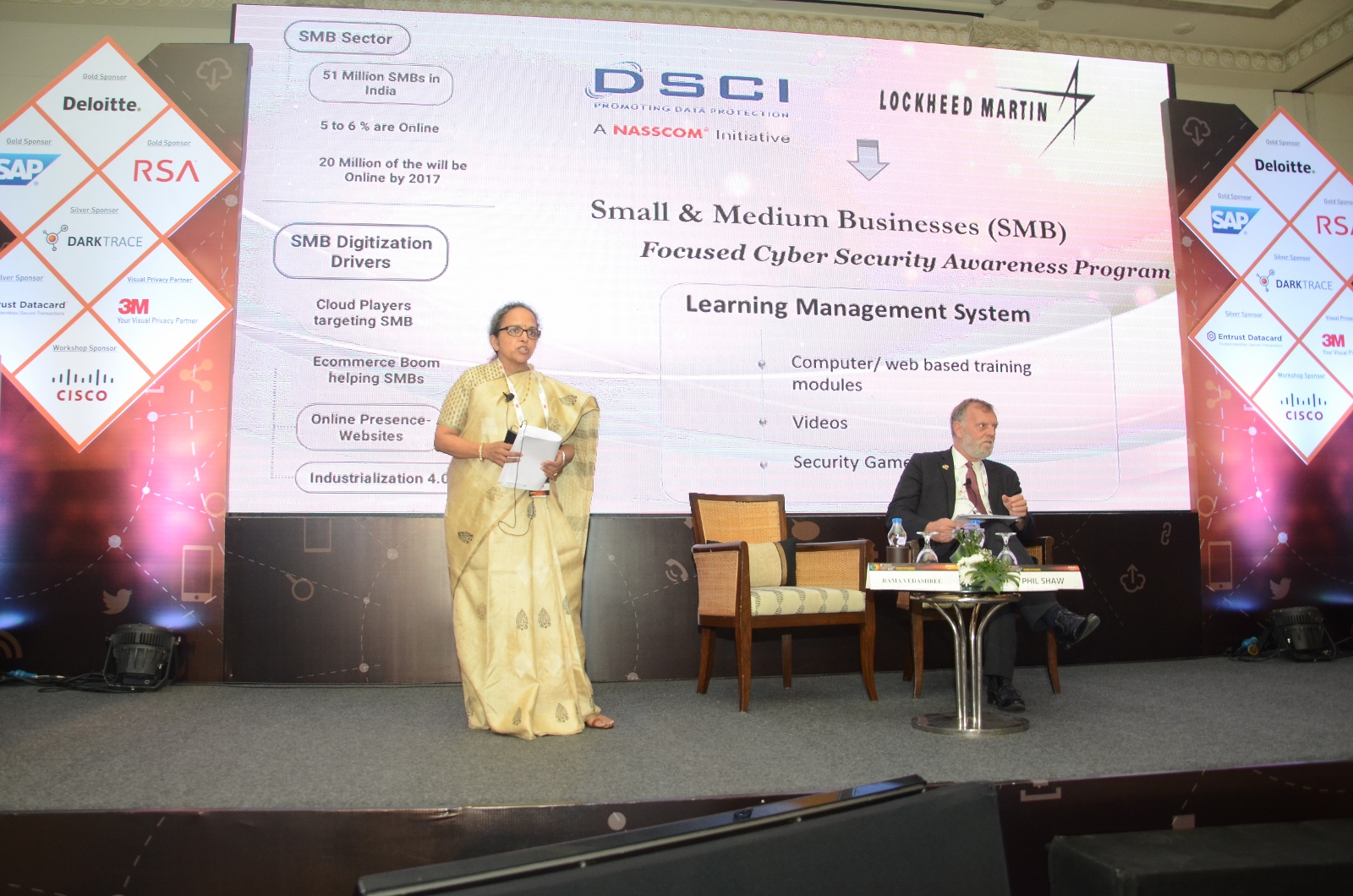
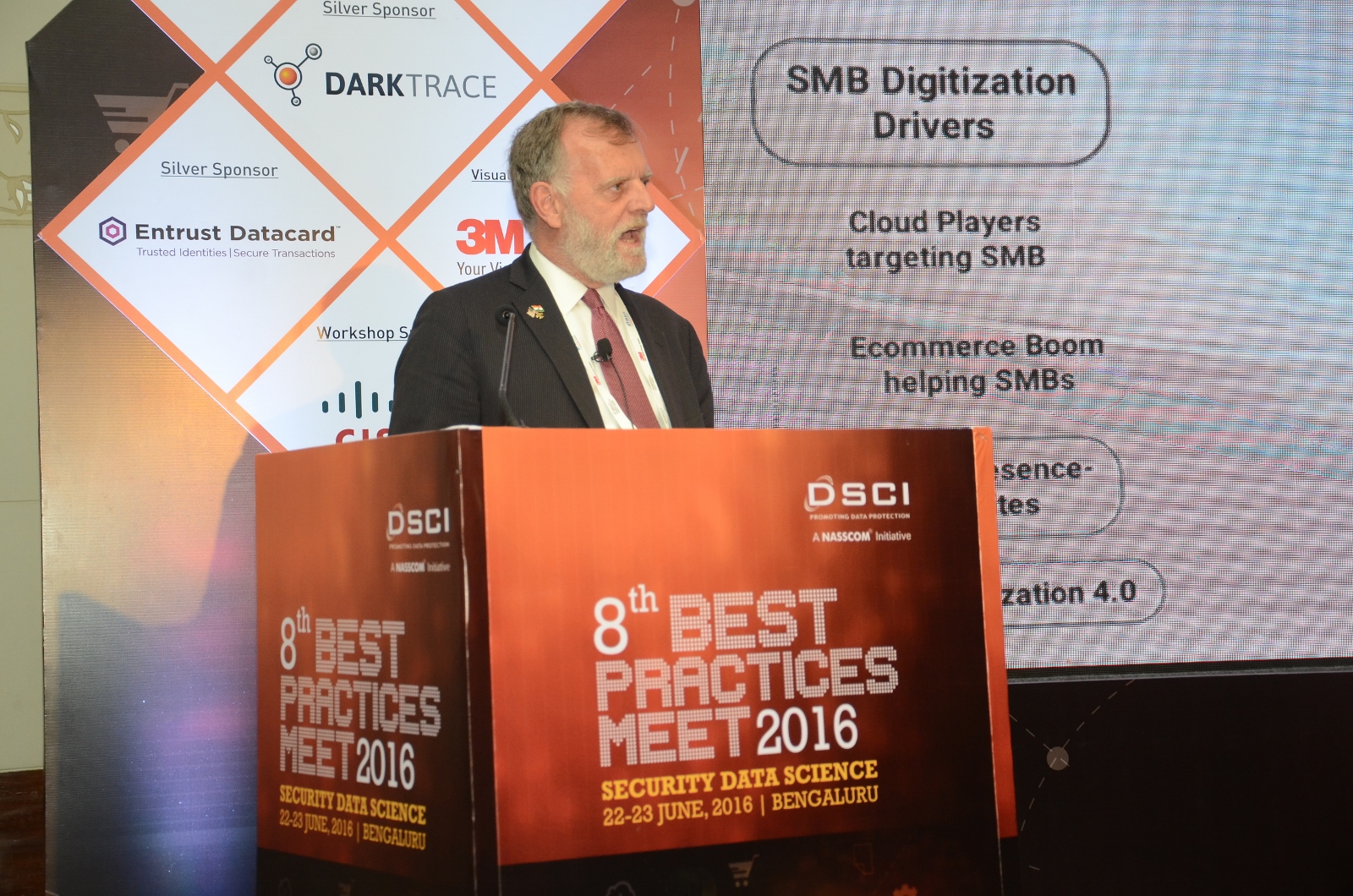
DSCI, in collaboration with Lockheed Martin, has embarked upon the ‘Security Awareness Endeavour’ of national importance that aims to target Small & Medium Businesses (SMBs) as a key industry sector along with vocational training institutions. There are over 51 million micro, small and medium businesses present in the country contributing almost 15-20% towards the GDP of India. Currently only 5 – 6 % of these organizations have online presence but the majority of them have started the journey to be a digital organization.

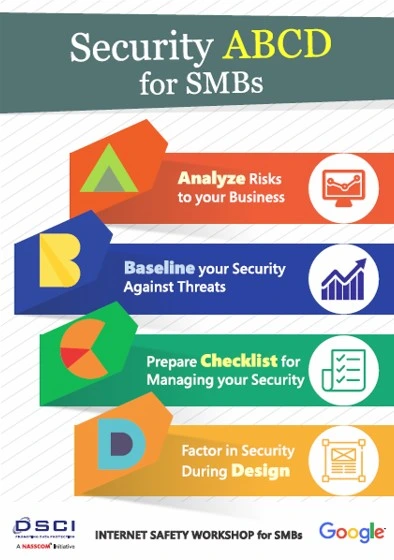
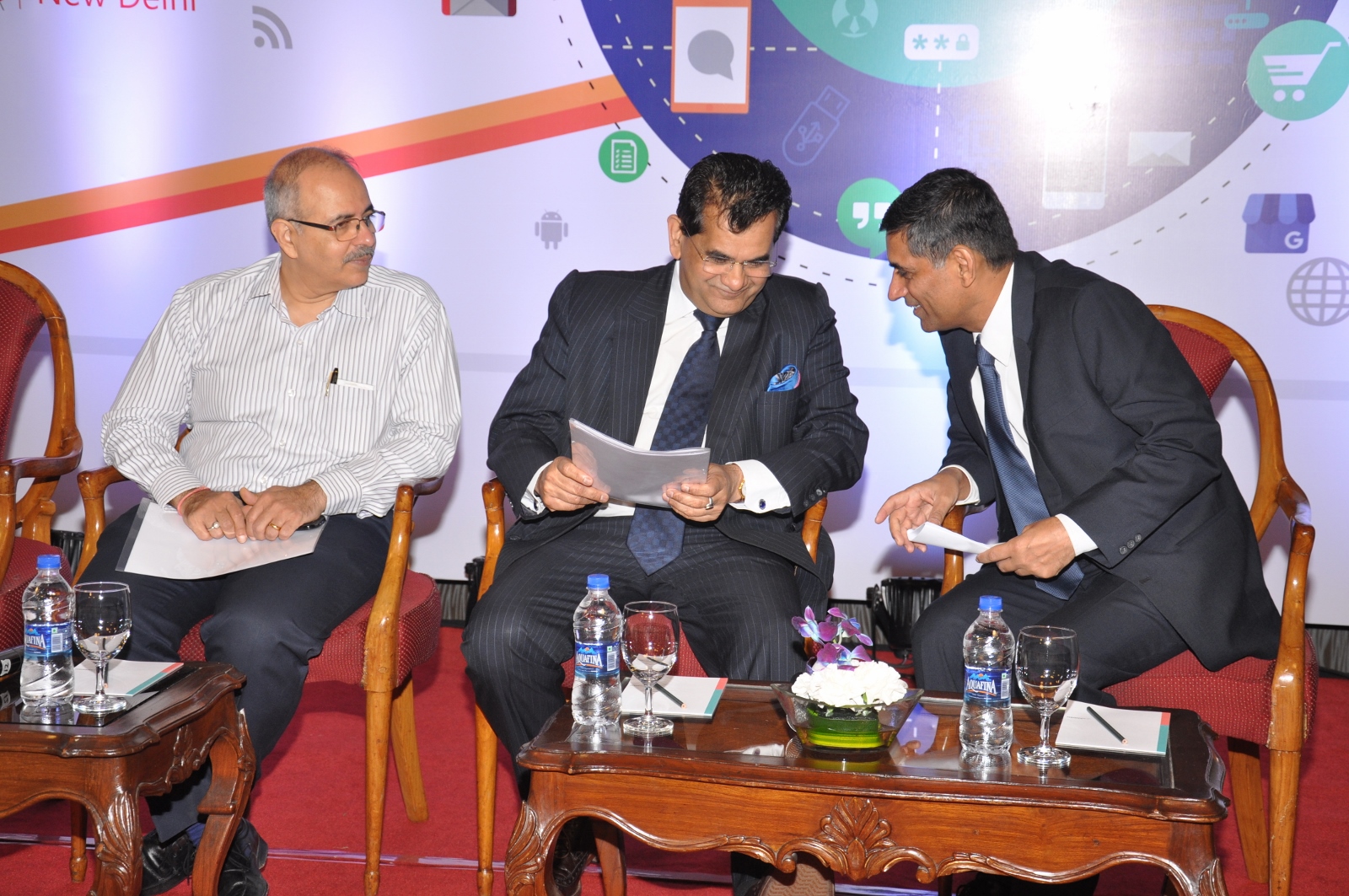
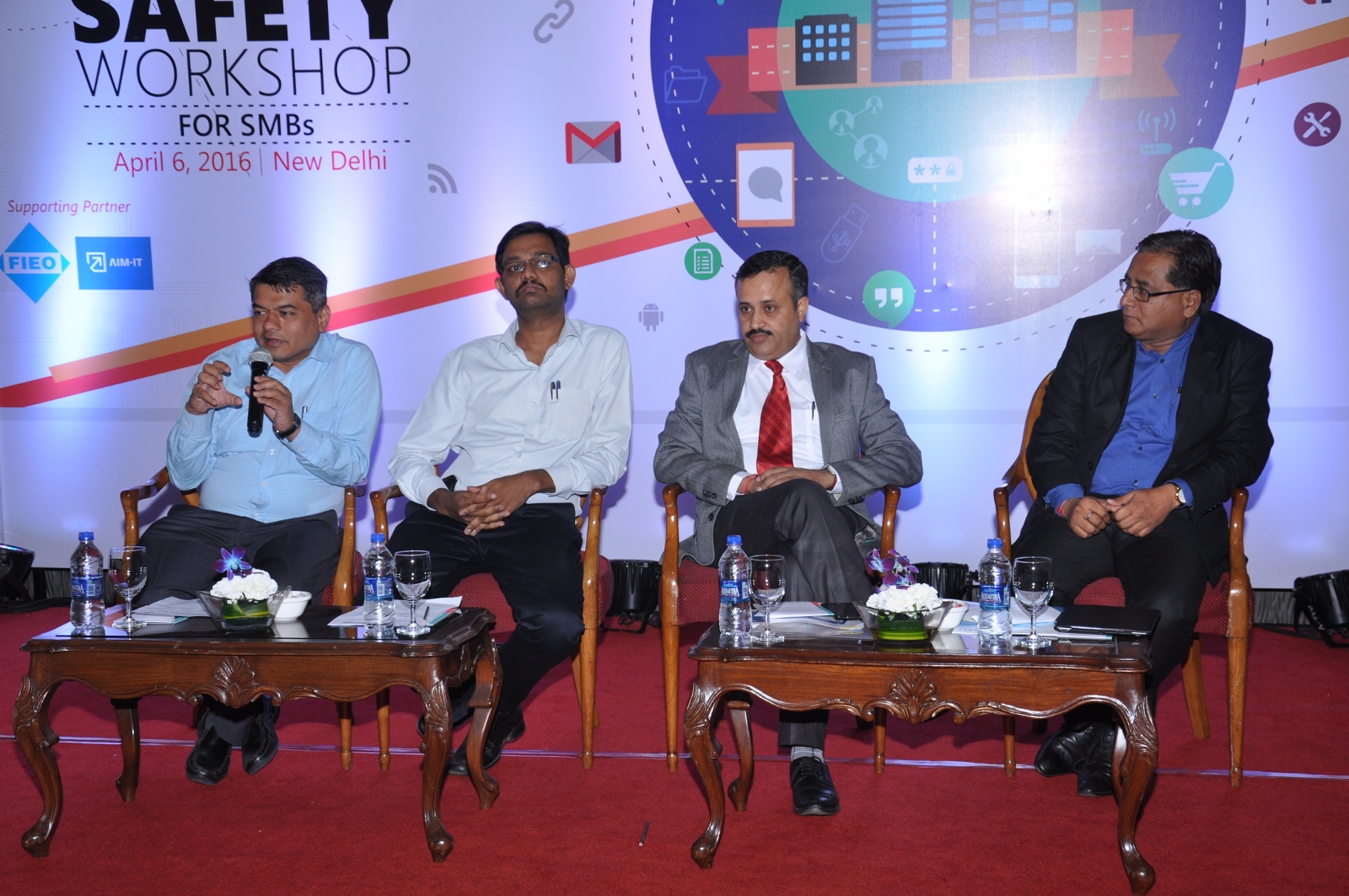
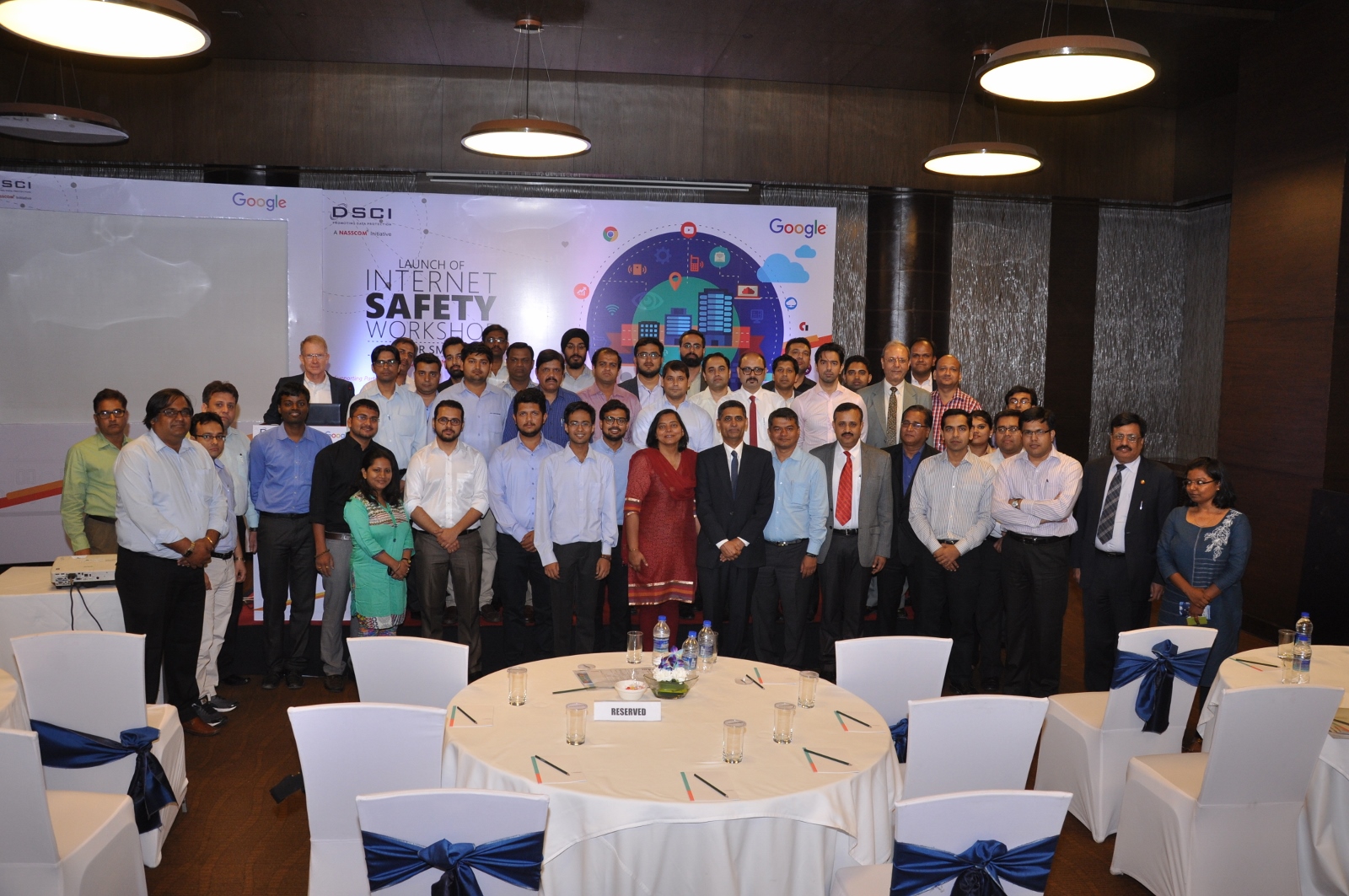
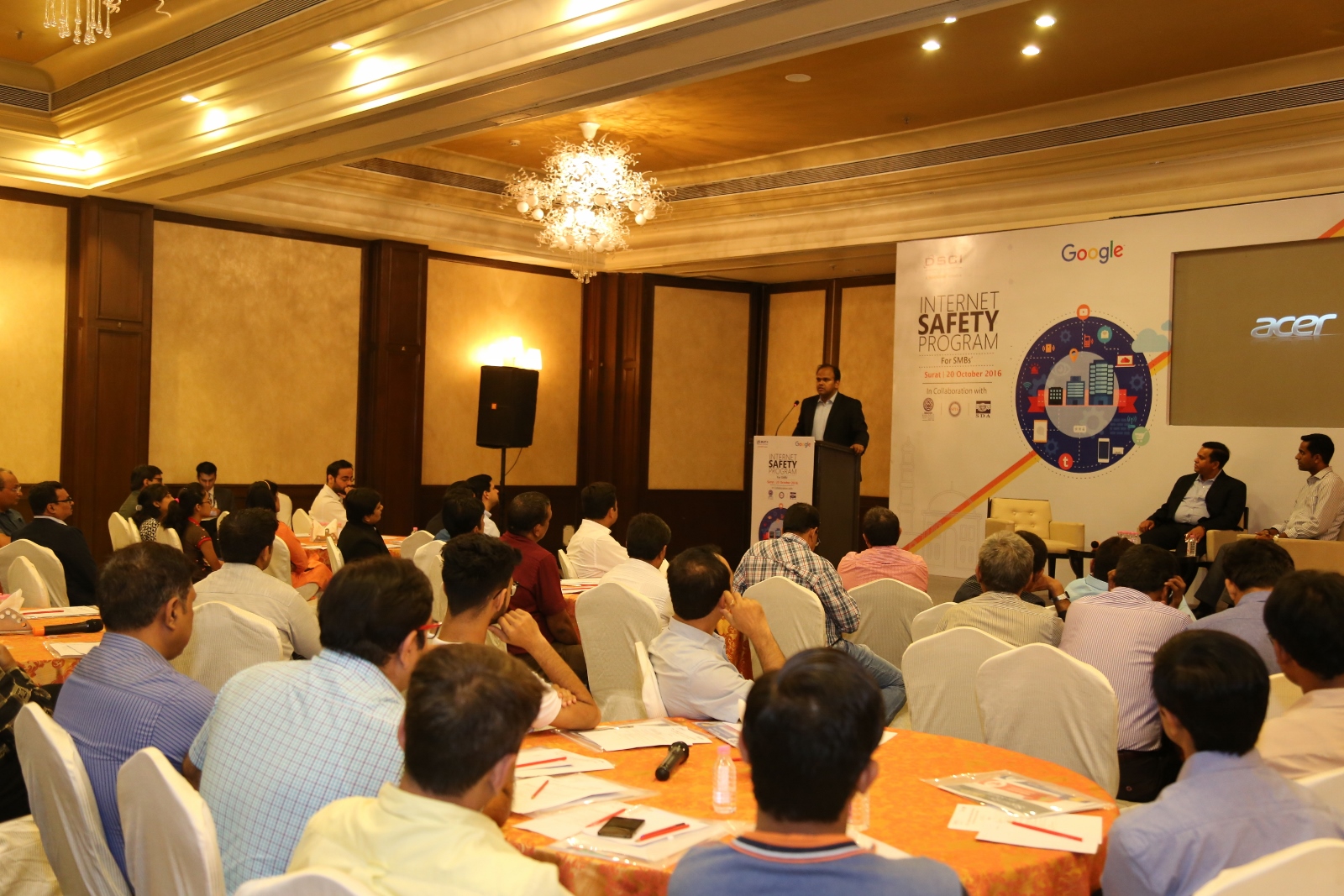
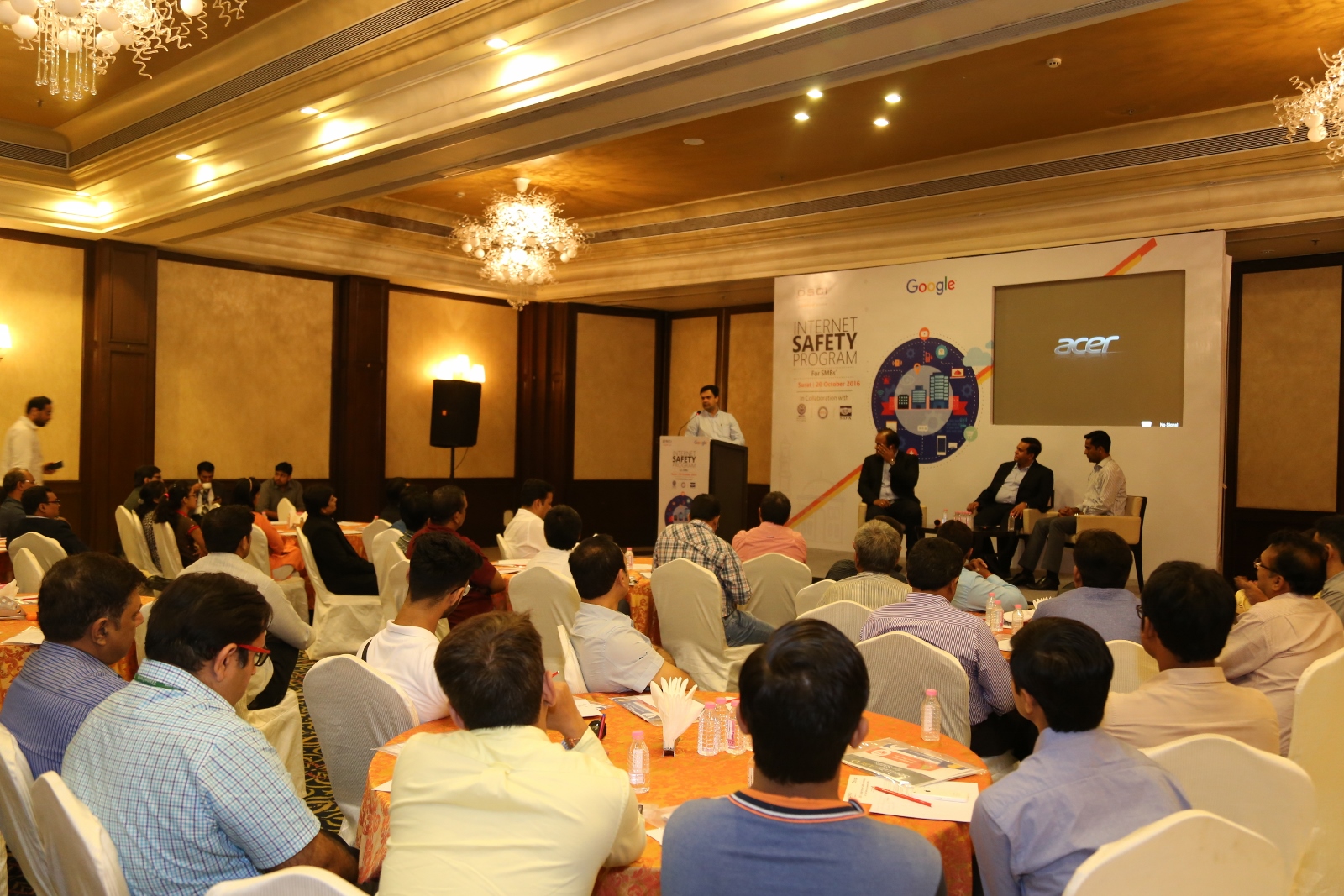
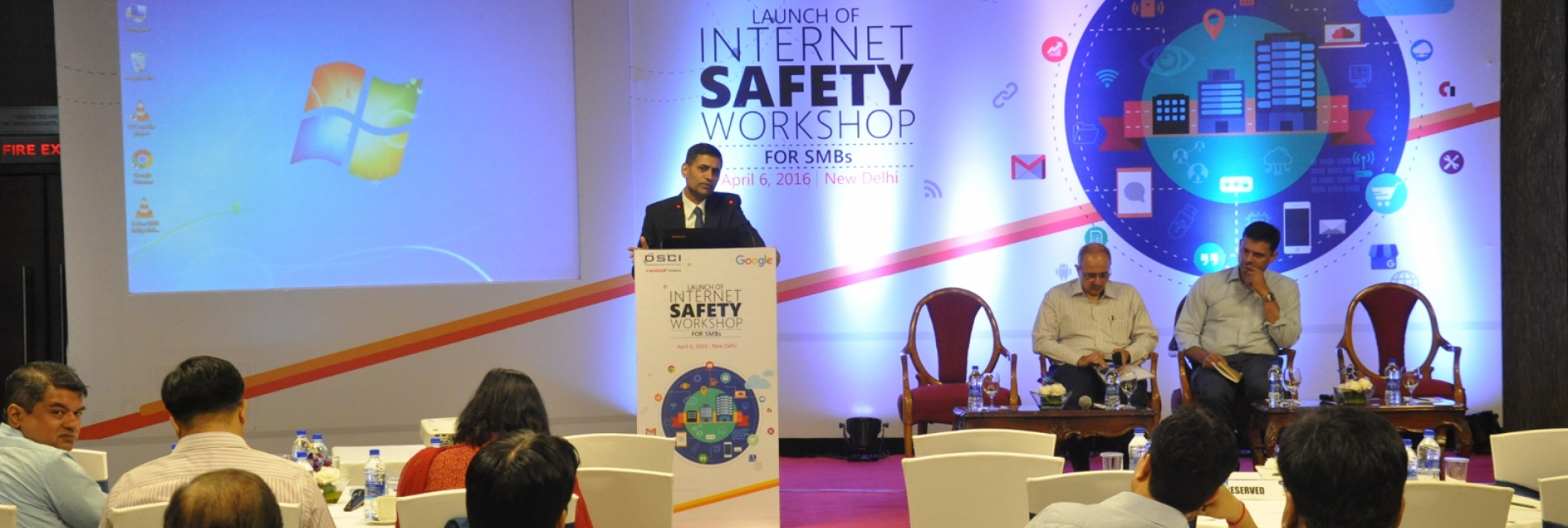
DSCI & Google joined forces to devise and execute a Cyber Security awareness campaign for Small & Medium Businesses of the country which are in the middle of a massive digitization campaign. The endeavour was aimed at sensitizing SMBs on the imperatives of Security & privacy in the current context and measures that need to be adopted in order to improve Cyber Security posture of their respective organizations


Collabration
Access to messaging and collaboration tools
Internet
Access to Internet


Customer information
Access to personal information of customer
Core Business
Machines & core business processes connecting to internet


Business Support
Performing workflow tasks on Business/Support applications
Sensitive Information
Access to key IPR & sensitive information

Drive to digitization is not immune from cyber security threats

Online Cyber Threats

Leakage of IPR/Sensitive Information

Compromises of business applications

Compromised systems participating in illegal cyber operations

Privacy and Data Protection expectations and obligations

Social engineering attacks

Identity thefts

System and endpoint compromises

Legal requirements and compliance obligations

Reputation damages on online and social media
Operational Office – 4th Floor, NASSCOM Campus, Plot No. 7-10, Sector 126, Noida, UP -201303
In Association